
Scoliosis and Spinal Health: Key Insights for Maintaining a Stronger Back
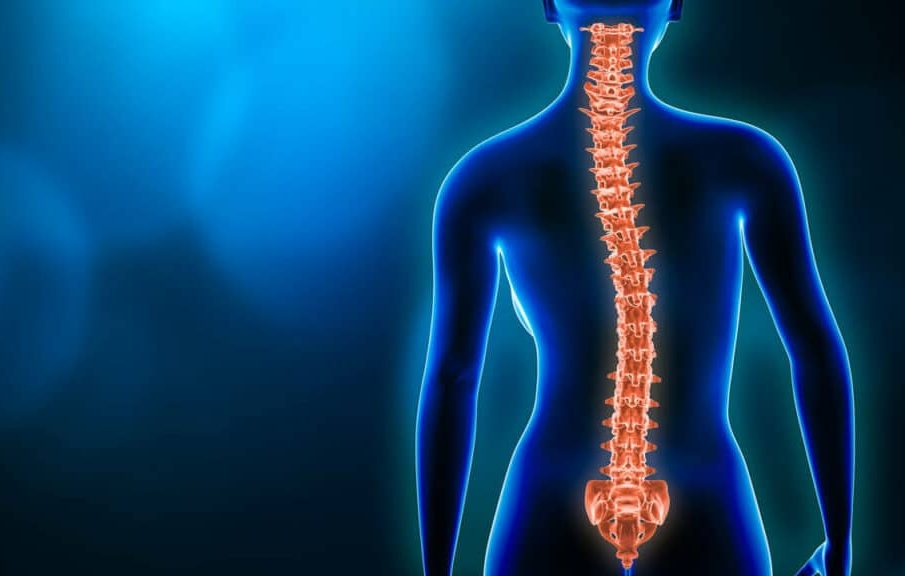
Millions of people all over have scoliosis, a disorder of aberrant lateral curving of the spine. Although the disorder may be moderate to severe, maintaining general spinal health depends on knowing its origins, symptoms, and available treatments. The article examines techniques to maintain your back healthy and robust, as well as the nuances of scoliosis.
Recognising the Forms and Causes of Scoliosis
Two main groups define scoliosis: structural and non-structural. The most frequent kind, structural scoliosis, results in a persistent spine curvature along with vertebral rotation. About 80% of cases in this group are idiopathic scoliosis, which usually strikes adolescents. Conversely, non-structural scoliosis is transient and caused by an underlying condition include inflammation or muscular spasms.
Although the precise origin of idiopathic scoliosis is still unclear, studies suggest that other elements including genetics might be involved in its development. Rare at birth, congenital scoliosis results from defects in the vertebrae created during foetal development. In those with disorders like muscular dystrophy or cerebral palsy, which compromise muscle function and control, neuromuscular scoliosis may develop.
Understanding Scoliosis’s Signs and Symptoms
Many times, scoliosis causes no obvious symptoms, hence it is important to be aware of the physical indications that can point to the existence of the disorder. These include a clear hump while leaning forward and unequal hips, waistline, or shoulders. Lung compression causes back discomfort, trouble walking, and possibly breathing difficulties as the disorder advances.
Though it is not a common presenting symptom, back discomfort may sometimes strike people with scoliosis in particular. To rule out any underlying conditions, severe, relentless lower back pain should always be seen by a healthcare provider.
Identification and Correction of Scoliosis
Usually diagnosed by a physical examination, scoliosis is found by a healthcare professional evaluating trunk and back form. To ascertain the degree and position of the spinal curvature, other diagnostic exams including X-rays might be needed.
Factors include the degree of the curvature, the patient’s age, and the pace of advancement determine how treatable scoliosis is. In moderate circumstances, frequent monitoring and observation could be enough. Treatment options for more extreme or progressive curvature include bracing and surgery.
Teenagers with scoliosis are advised to bracing regularly in order to stop curve development and lower their need for surgery. Bracing may greatly lower the risk of curvature progressing to the point where surgery is required, according to research. Nevertheless, sometimes curves may keep developing even with bracing, which emphasises the need of regular observation and corrections.
Usually reserved for situations where conventional therapies have failed and the curvature is severe enough to create notable deformity or health problems, is surgery. Surgical methods seek to straighten the curvature, stabilise the spine, and stop further advancement.
Preserving Spinal Health and Avoiding Complications
Although scoliosis cannot be prevented, people may take actions to preserve spinal health and avoid consequences. Frequent exercise—especially low-impact activities like cycling, swimming, and walking—particularly low-impact activities that help maintain flexibility and strength in the back and core muscles helps. Additionally helpful for alleviating strain on the spine and lowering discomfort are certain stretches and exercises meant for scoliosis.
For those with scoliosis, maintaining excellent posture is very vital whether seated or standing. Regular pauses to stretch and ergonomic furnishings assist to reduce back pain. Physical therapy could sometimes be advised to assist manage pain, correct posture, and strengthen muscles.
Conclusion
A complicated disorder, scoliosis calls for a multifarious strategy to treatment and prevention. Understanding the varieties, causes, and symptoms of scoliosis helps people to take preventative action to preserve spinal integrity and avoid consequences. Managing scoliosis and preserving a stronger back depend mostly on regular monitoring, suitable therapy, and the acceptance of a better lifestyle.
New treatment approaches and technology are developing to enhance results for patients of all ages as research develops our knowledge of scoliosis. Those with scoliosis may negotiate their illness with confidence and have active, satisfying lives by keeping educated and connected to medical specialists.