

Effective Strategies to Reduce Pore Size and Achieve a Smoother, More Refined Skin
When it comes to skin concerns, one of the most common issues people face is enlarged pores. While they may seem like a minor imperfection, large pores can significantly impact the overall texture and appearance of the skin. Addressing this issue effectively requires understanding its underlying causes and implementing the right treatments for pore size reduction. This comprehensive guide will delve into the primary factors contributing to enlarged pores and explore the most effective non-surgical strategies for achieving a smoother, more refined complexion.
Causes of Enlarged Pores
Excess Sebum Production
Excessive sebum production is one of the leading causes of enlarged pores. Sebum, the skin’s natural oil, is produced by sebaceous glands to keep the skin hydrated. However, when these glands become overactive, they can produce too much oil, leading to clogged pores. This excess oil mixes with dead skin cells and other debris, causing the pores to stretch and appear larger. Managing sebum production is crucial in reducing pore size and preventing further enlargement.
Loss of Skin Elasticity
As we age, the skin loses its natural elasticity due to the breakdown of collagen and elastin fibers. This loss of firmness can cause the skin to sag and the pores to become more prominent. Reduced elasticity also means that the skin is less able to “snap back” after being stretched, leading to permanently enlarged pores. Maintaining skin elasticity through targeted treatments can help minimize the appearance of pores.
Sun Damage
Prolonged exposure to ultraviolet (UV) rays can damage the skin, leading to a breakdown of collagen and elastin. Sun damage not only accelerates the aging process but also contributes to the enlargement of pores. The UV rays weaken the skin’s support structure, causing pores to become more visible. Protecting the skin from sun damage is a critical step in reducing pore size and maintaining overall skin health.
Clogged Pores
When pores become clogged with dead skin cells, oil, and other impurities, they can stretch and appear larger. Clogged pores are often the result of inadequate cleansing or the use of comedogenic (pore-clogging) skincare products. Regularly clearing out these impurities is essential to prevent pores from becoming enlarged and to promote a smoother complexion.
Treatments for Pore Size Reduction
Topical Retinoids
Topical retinoids, derived from vitamin A, are one of the most effective treatments for pore size reduction. They work by increasing cell turnover, which helps to clear out clogged pores and reduce the buildup of dead skin cells. Over time, this can lead to a noticeable decrease in pore size and an overall improvement in skin texture. Retinoids also stimulate collagen production, which can help restore skin elasticity and minimize the appearance of enlarged pores.
Chemical Peels
Chemical peels are a powerful exfoliating treatment that can significantly reduce the appearance of large pores. These peels use acids such as alpha hydroxy acids (AHAs) and beta hydroxy acids (BHAs) to remove the outermost layer of dead skin cells. By clearing away this layer, chemical peels can help unclog pores and promote the growth of new, healthy skin. Regular chemical peels can lead to a smoother complexion with less visible pores.
Salicylic Acid
Salicylic acid is a beta hydroxy acid (BHA) that is particularly effective in treating clogged pores and reducing pore size. It works by penetrating the pores and exfoliating from within, dissolving the oil and debris that cause blockages. Salicylic acid is also anti-inflammatory, which can help soothe irritated skin and prevent the formation of acne, a common contributor to enlarged pores.
Niacinamide
Niacinamide, also known as vitamin B3, is a versatile skincare ingredient that offers multiple benefits for reducing pore size. It helps regulate sebum production, preventing excess oil from clogging pores. Niacinamide also has anti-inflammatory properties that can reduce redness and irritation, making pores less noticeable. Additionally, it supports the skin’s barrier function, helping to maintain elasticity and prevent the enlargement of pores.
Pico Laser Treatment
Pico laser treatment is a non-invasive procedure that uses ultra-short pulses of laser energy to target the deeper layers of the skin. This treatment is particularly effective for reducing pore size by stimulating collagen production and tightening the skin. The laser energy also helps break down pigmentation and reduce the appearance of scars, leading to a more even skin tone and refined texture. Pico laser treatment is an excellent option for those looking for a non-surgical solution to enlarged pores.
Microdermabrasion
Microdermabrasion is a minimally invasive exfoliating treatment that removes the outer layer of dead skin cells, revealing fresher, smoother skin underneath. This procedure can help unclog pores and reduce their appearance by promoting cell turnover and enhancing the skin’s overall texture. Microdermabrasion is suitable for all skin types and can be combined with other treatments for even more effective results.
Clay Masks
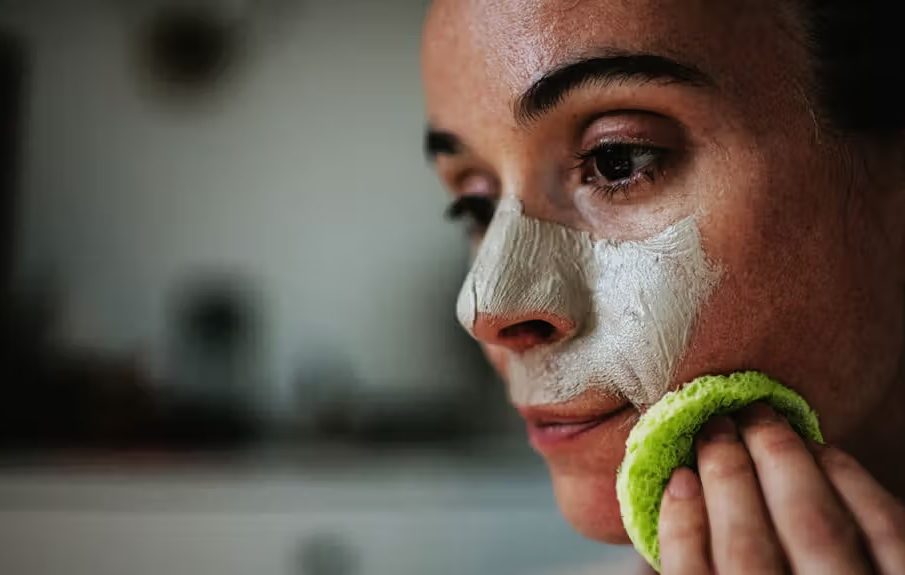
Clay masks are a popular at-home treatment for reducing pore size. They work by drawing out impurities, excess oil, and toxins from the skin, helping to unclog and reduce the size of pores. Regular use of clay masks can help keep pores clean and minimize the chances of them becoming enlarged. For best results, look for clay masks that contain ingredients like kaolin or bentonite, which are known for their oil-absorbing properties.
What to Remember When Treating Enlarged Pores
Consistency Is Key Achieving and maintaining smaller pores requires consistency in your skincare routine. Regular use of the right products and treatments can gradually reduce pore size and prevent further enlargement. It’s important to stick to a routine and be patient, as results may take time to become noticeable.
Sun Protection Is Essential
Since sun damage is a major contributor to enlarged pores, protecting your skin from UV rays is crucial. Always wear broad-spectrum sunscreen with an SPF of 30 or higher, even on cloudy days. Reapply every two hours if you’re outdoors, and consider wearing a wide-brimmed hat for added protection.
Choose Non-Comedogenic Products
When selecting skincare products, opt for non-comedogenic formulations that won’t clog your pores. These products are specifically designed to minimize the risk of pore blockages, helping to keep your skin clear and your pores small.
Stay Hydrated
Hydration is essential for maintaining healthy skin and preventing enlarged pores. Drink plenty of water throughout the day to keep your skin hydrated from within. Additionally, use a moisturizer that suits your skin type to maintain the skin’s barrier function and elasticity.
Avoid Over-Exfoliating
While exfoliation is important for keeping pores clear, over-exfoliating can irritate the skin and lead to enlarged pores. Limit the use of exfoliating products to two or three times a week, and choose gentle formulas that won’t strip your skin of its natural oils.
Conclusion
Reducing pore size and achieving a smoother, more refined complexion requires a combination of effective treatments and a consistent skincare routine. By understanding the causes of enlarged pores and implementing the right strategies, you can minimize their appearance and enjoy a more even skin texture. From topical retinoids and chemical peels to Pico laser treatment and clay masks, there are numerous non-surgical options available to help you achieve the flawless skin you desire. Remember to protect your skin from sun damage, stay consistent with your treatments, and choose products that support your skin’s health. With the right approach, smaller pores and a radiant complexion are within reach.