
The Risks of Ignoring a Cracked Molar
A cracked molar might seem like a minor issue, especially if it’s not causing immediate pain. However, ignoring this dental problem can lead to serious complications that affect both your oral health and overall well-being. This article explores the risks associated with neglecting a cracked molar and why prompt dental care is essential.
Understanding a Cracked Molar
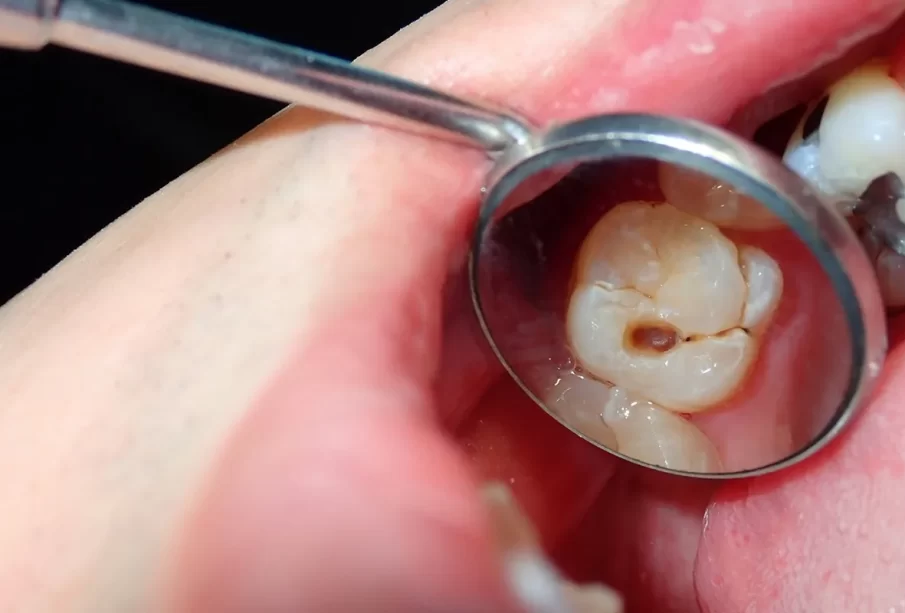
A cracked molar occurs when a fracture develops in one of the large teeth at the back of your mouth. This damage can range from a minor crack on the enamel to a deeper fracture affecting the tooth’s structure. Cracks can result from various causes, including biting down on hard foods, grinding your teeth, or experiencing a traumatic injury.
While some cracks may not cause immediate discomfort, they can create an entry point for bacteria, leading to more significant problems over time.
Risks of Ignoring a Cracked Molar
1. Increased Risk of Infection
A cracked molar creates a pathway for bacteria to enter the tooth and its surrounding tissues. Over time, this can lead to an infection in the pulp, the innermost part of the tooth. Symptoms of a pulp infection include pain, swelling, and sensitivity to hot and cold. If left untreated, the infection can spread to other parts of the body, potentially causing severe health issues.
2. Tooth Decay
Even a small crack can expose the inner layers of your tooth to harmful bacteria. This exposure increases the likelihood of tooth decay, which can weaken the tooth further. As decay progresses, it can cause cavities and make the tooth more susceptible to breakage.
3. Worsening of the Crack
What starts as a minor crack can worsen over time due to everyday chewing and grinding. A deepened crack can split the tooth entirely, making it irreparable. In such cases, the tooth may need extraction and replacement with an implant or bridge, which is both time-consuming and costly.
4. Gum Disease
When bacteria from a cracked molar accumulate around the gumline, it can lead to gum disease. This condition, if not treated, can result in swollen, bleeding gums and even bone loss. Advanced gum disease can compromise the stability of surrounding teeth, putting your overall oral health at risk.
5. Chronic Discomfort and Pain
While a cracked molar might not hurt initially, it can become increasingly painful as the crack worsens. Everyday activities like eating and drinking may trigger sharp, shooting pain. This persistent discomfort can significantly impact your quality of life.
Signs You Shouldn’t Ignore
Not all cracked molars cause immediate symptoms, but certain signs indicate it’s time to see a dentist:
- Sensitivity to hot, cold, or sweet foods
- Pain when biting or chewing
- Swelling around the affected tooth
- Visible cracks or chips on the tooth’s surface
If you notice any of these symptoms, it’s crucial to seek dental care promptly to prevent further complications.
Treatment Options for a Cracked Molar
1. Dental Bonding or Filling
For minor cracks, your dentist may use a bonding material or filling to seal the crack and restore the tooth’s integrity.
2. Dental Crown
A dental crown is a common solution for larger cracks. It covers the damaged tooth entirely, providing protection and restoring its function.
3. Root Canal Therapy
If the crack has reached the tooth’s pulp, root canal therapy may be necessary to remove the infected tissue. This procedure prevents further infection and saves the tooth.
4. Tooth Extraction
In severe cases where the crack extends below the gumline, the tooth may need to be extracted. Replacing the tooth with an implant or bridge helps maintain oral function and aesthetics.
Preventing Cracked Molars
While some cracks are unavoidable, certain habits can reduce your risk:
- Avoid chewing hard foods like ice and popcorn kernels.
- Wear a nightguard if you grind your teeth while sleeping.
- Use a mouthguard during contact sports to protect against trauma.
- Visit your dentist regularly for check-ups and cleanings.
Why Early Intervention Matters
Addressing a cracked molar early can save you from pain, extensive treatments, and additional costs. Regular dental visits enable your dentist to identify and treat cracks before they escalate into more serious issues. Prompt care not only preserves the affected tooth but also safeguards your overall oral health.
Conclusion
Ignoring a cracked molar may seem like a minor oversight, but the risks far outweigh the convenience of delaying treatment. From infections and decay to potential tooth loss, the consequences can be severe and long-lasting. If you suspect a cracked molar, consult your dentist immediately. Early intervention can prevent complications, save your tooth, and ensure your smile remains healthy and vibrant for years to come.