
Mastering Oral Health: Essential Tips for a Vibrant Smile Down Under
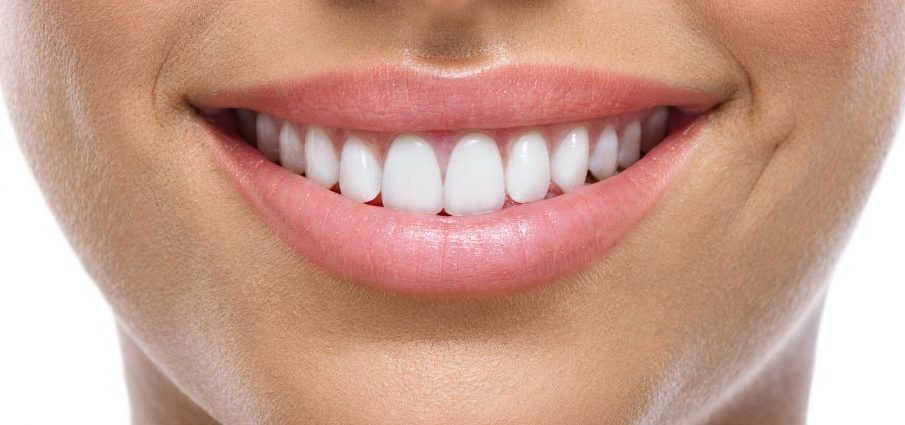
A radiant smile isn’t just about appearances—it’s a reflection of overall health. In Australia, oral hygiene has gained recognition as a key factor in general well-being, affecting digestion, immunity, and even self-confidence. Taking steps to maintain strong teeth and healthy gums can prevent discomfort, costly treatments, and long-term health problems. With a combination of daily routines, informed lifestyle choices, and professional guidance, Australians can achieve lasting oral health and a smile that truly shines.
The Value of Regular Dental Visits
Professional dental check-ups are essential for detecting problems before they escalate. Even if you brush and floss regularly, plaque and tartar can accumulate in areas that are hard to reach, leading to cavities or gum disease. Dentists can identify early signs of enamel erosion, gum inflammation, or bite misalignment, ensuring timely interventions. Routine visits also allow for personalised care plans tailored to individual needs, making it easier to prevent long-term dental issues. Establishing a pattern of regular appointments fosters a proactive approach to oral health rather than reacting to problems once they become severe.
What to Expect During Your Initial Dental Consultation
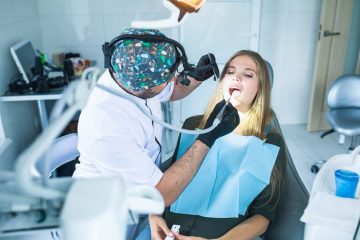
For many Australians, what to expect during your initial dental consultation can feel uncertain, especially if it’s their first visit or they are switching to a new clinic. Understanding the process helps ease anxiety and makes the experience more comfortable. During the consultation, the dentist typically reviews your medical and dental history, discusses any concerns, and performs a thorough examination of your teeth, gums, and jaw alignment. Diagnostic tools such as X-rays or intraoral cameras may be used to identify issues that aren’t visible to the naked eye. This initial assessment allows the dentist to develop a personalised care plan and establishes a baseline for future treatments.
Daily Oral Hygiene Practices
Maintaining oral health starts with effective home routines. Brushing twice daily with fluoride toothpaste removes plaque and food debris that cause cavities and gum inflammation. Flossing at least once a day reaches areas between teeth that a toothbrush cannot, preventing early signs of gum disease. Mouthwash can offer extra protection by reducing bacteria in hard-to-reach spaces. Choosing the right toothbrush—a soft-bristled brush replaced every three months—is vital to protect enamel while thoroughly cleaning teeth. Combined with a balanced diet low in processed sugar and high in essential nutrients, these practices form the foundation of a healthy mouth.
Lifestyle Choices That Affect Your Smile
Certain lifestyle habits can support or undermine oral health. Smoking and excessive alcohol consumption are strongly associated with gum disease, tooth staining, and increased risk of oral cancer. On the other hand, staying hydrated, chewing sugar-free gum to stimulate saliva, and eating nutrient-rich foods like leafy greens, dairy, and fibrous fruits strengthen teeth and gums. Australians engaged in sports or high-risk activities should consider mouthguards to prevent dental trauma. Over time, consistent positive choices in lifestyle can maintain the health, function, and appearance of your smile.
Technology and Preventive Dental Care
Advancements in dental technology make proactive care more accessible than ever. Digital X-rays, AI-assisted cavity detection, and intraoral cameras enable dentists to identify problems earlier, reducing the need for invasive treatments. Mobile apps and smart tools can track brushing habits, provide reminders for check-ups, and educate users about proper oral care techniques. Parents can encourage children to develop good habits, while adults benefit from data-driven insights to maintain optimal dental health. Staying informed and using technology to monitor oral health encourages consistent engagement and supports early intervention. To enhance early detection and oral care engagement, Australians can integrate these tools into daily routines, making preventive dentistry simpler, smarter, and more effective.