
The Future of Dentistry: How Digital Innovation and Preventive Science Are Transforming Modern Dental Care
The dental industry is entering a revolutionary era where precision technology, preventive science, and patient-centric design are reshaping the role of the modern dentist. Dentistry is no longer limited to fillings and extractions—it’s evolving into a multidisciplinary field integrating AI diagnostics, regenerative medicine, and aesthetic digital dentistry. As patients demand more comfort, personalization, and long-term oral wellness, dental practices are rapidly innovating to meet these expectations.
The Rise of Digital Dentistry: Precision Through Technology
CAD/CAM and 3D Printing Revolution
Computer-Aided Design and Manufacturing (CAD/CAM) has drastically reduced treatment time and improved restorative accuracy. Dentists can now create crowns, veneers, and bridges within hours rather than days.
-
Speed and Precision: Digital impressions eliminate messy molds, creating perfect-fitting prosthetics on the first try.
-
3D Printing Applications: From surgical guides to full dentures, 3D printing ensures durability and aesthetic quality with minimal human error.
-
Cost Efficiency: In-house fabrication lowers laboratory costs, offering affordable yet premium-quality restorations to patients.
Artificial Intelligence in Diagnostics
AI algorithms are transforming the diagnostic process by detecting early signs of oral diseases invisible to the human eye.
-
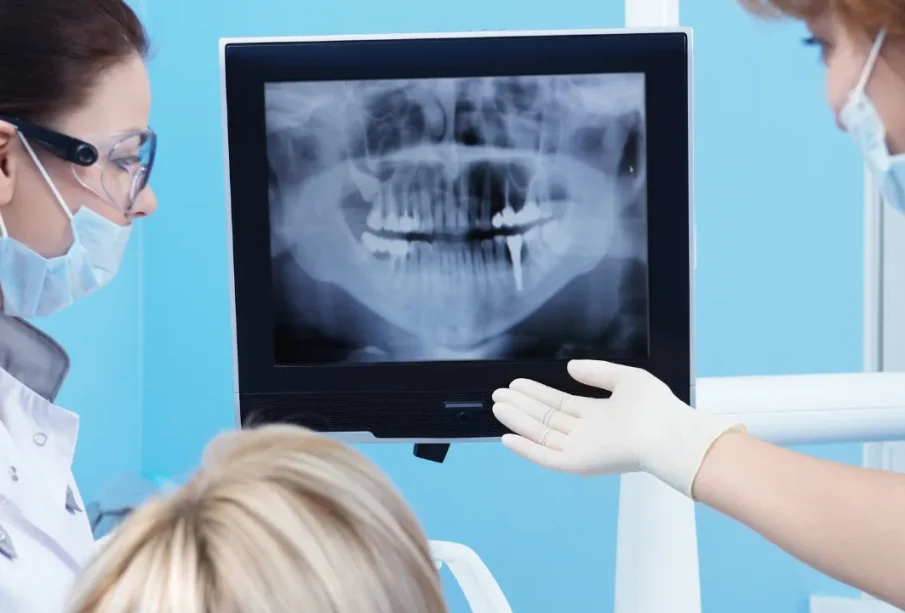
Radiograph Analysis: AI software can spot micro-cavities, bone loss, or lesions with higher accuracy than manual review.
-
Predictive Analytics: AI models assess patient data to predict the likelihood of caries, periodontal disease, or orthodontic complications.
-
Clinical Decision Support: Dentists can make faster and more evidence-based decisions, improving treatment outcomes.
Regenerative Dentistry: Healing Beyond Restoration
Regenerative dentistry focuses on stimulating natural tissue growth rather than replacing damaged structures. This emerging field is redefining how dentists approach oral health preservation.
Stem Cell Therapy
Research shows that dental pulp stem cells can regenerate dentin, bone, and even entire tooth structures. This innovation could potentially eliminate the need for traditional implants in the near future.
-
Tooth Regeneration: Scientists are experimenting with bioprinting tooth buds that could develop into functional teeth.
-
Bone Regeneration: Stem cells help repair alveolar bone loss caused by periodontal disease or trauma.
-
Minimized Invasiveness: Patients benefit from natural healing with fewer surgical interventions.
Biomimetic Restorations
Biomimetic dentistry focuses on replicating the natural behavior of tooth structure rather than merely replacing it.
-
Stronger Adhesives: Advanced bonding materials mimic the elasticity of natural dentin, reducing fractures.
-
Longevity and Functionality: Biomimetic restorations restore natural chewing mechanics, improving long-term oral health.
Preventive and Predictive Care: The New Core of Dentistry
Personalized Preventive Strategies
Dentistry is shifting from reactive to proactive care through personalized prevention models that assess patient lifestyle, genetics, and oral microbiome.
-
Microbiome Analysis: DNA-based saliva tests help identify harmful bacteria linked to gum disease and decay.
-
Nutritional Counseling: Diet plays a major role in enamel health; modern dentists now integrate nutrition planning into treatment.
-
Behavioral Coaching: Digital reminders, tracking apps, and gamified oral care platforms improve patient adherence.
The Role of Teledentistry
Teledentistry bridges accessibility gaps and enhances patient engagement, especially in remote or underserved regions.
-
Virtual Consultations: Patients can receive expert opinions, post-op follow-ups, and oral hygiene evaluations remotely.
-
AI Chatbots: Automated assistants answer FAQs and triage patient concerns before in-person visits.
-
Integrated Records: Cloud-based platforms synchronize patient history across clinics for seamless continuity of care.
Aesthetic and Functional Synergy in Modern Dentistry
Smile Design Powered by Digital Imaging
Modern dentistry is as much about aesthetics as it is about functionality. Digital smile design (DSD) merges art and technology to craft naturally beautiful results.
-
Facial Analysis Integration: DSD software maps facial symmetry to create a customized smile that harmonizes with facial features.
-
Augmented Reality Simulations: Patients can visualize post-treatment results in real-time before procedures begin.
-
Emotional Dentistry: Customization builds patient confidence and satisfaction, enhancing emotional well-being.
Minimally Invasive Cosmetic Treatments
Dentistry now embraces conservative yet transformative techniques that enhance aesthetics without compromising natural tissue.
-
Porcelain Veneers 2.0: Ultra-thin veneers require minimal enamel removal, preserving tooth integrity.
-
Laser Teeth Whitening: Faster, safer, and longer-lasting results without chemical damage.
-
Clear Aligners: 3D-printed orthodontic aligners provide discreet teeth straightening with biomechanical precision.
Patient-Centric Design: Redefining the Dental Experience
Comfort-Driven Dental Environments
The traditional fear of the dentist’s chair is fading as practices adopt neuroscience-backed comfort design to reduce anxiety.
-
Ambient Architecture: Soft lighting, aromatherapy, and sound therapy help patients relax before treatment.
-
Sedation Dentistry: Nitrous oxide and IV sedation provide painless solutions for patients with dental phobia.
-
Empathetic Communication: Dentists trained in behavioral psychology build trust through patient education and emotional connection.
Digital Communication and Engagement
-
AI-Powered Scheduling: Automated systems reduce waiting times and optimize patient flow.
-
Patient Education Tools: Interactive videos and AR simulations explain procedures clearly, boosting patient confidence.
-
Feedback Analytics: Real-time feedback systems measure satisfaction and identify service improvement opportunities.
Sustainability in Dentistry: Green Practices for a Healthier Planet
Eco-Friendly Dental Materials
Sustainability is emerging as a key focus for dental clinics aiming to reduce their environmental footprint.
-
Biodegradable Materials: Bamboo toothbrushes, compostable gloves, and bio-based composites minimize waste.
-
Mercury-Free Fillings: Composite resins and ceramics replace harmful amalgam-based materials.
-
Digital Documentation: Paperless workflows reduce resource use and administrative overhead.
Energy and Waste Management
-
Smart Energy Systems: Clinics adopt solar panels and energy-efficient lighting to reduce operational costs.
-
Recycling Programs: Proper disposal of dental plastics and sharps maintains eco-compliance.
-
Water Conservation: Advanced suction systems and waterless sterilization technologies preserve resources.
Integrative and Holistic Dentistry
The Connection Between Oral and Systemic Health
Scientific studies reveal a strong correlation between oral inflammation and systemic diseases such as diabetes, heart disease, and Alzheimer’s.
-
Inflammatory Biomarkers: Saliva testing detects early signs of systemic health issues.
-
Collaborative Care: Dentists work alongside physicians, nutritionists, and physiotherapists for comprehensive treatment.
-
Functional Dentistry: Emphasizing body-wide wellness through jaw alignment, airway health, and posture correction.
Laser and Ozone Therapy
Holistic dentistry leverages natural and minimally invasive treatments to enhance healing and reduce infections.
-
Laser Dentistry: Offers painless gum contouring, cavity removal, and bacterial reduction.
-
Ozone Therapy: Disinfects tissues naturally while promoting oxygenation and regeneration.
-
Photobiomodulation Therapy: Reduces inflammation and accelerates tissue repair through low-level light exposure.
Data-Driven Dentistry: Using Analytics to Improve Outcomes
Clinical Data Integration
-
AI Predictive Models: Continuous data collection enables personalized treatment plans and preventive alerts.
-
EHR Systems: Digital patient histories facilitate better case analysis and collaborative care.
-
Outcome Tracking: Data analytics evaluate the effectiveness of procedures, improving long-term results.
Ethical and Security Considerations
-
Patient Privacy: Encryption protocols and secure cloud storage ensure data confidentiality.
-
Informed Consent: Digital platforms enhance transparency in treatment decisions.
-
AI Ethics: Dentists must balance automation with human oversight to maintain empathy and clinical accuracy.
The Evolution of Dental Specializations
Digital Orthodontics and Prosthodontics
-
AI-Guided Alignment: Digital orthodontics enables micro-level tooth movement with real-time adjustments.
-
Digital Implantology: Computer-guided implant placement ensures precision and minimizes surgical trauma.
-
Custom Prosthetics: Personalized dentures designed through facial scanning deliver superior comfort and aesthetics.
Sleep and Airway Dentistry
Dentists are increasingly addressing sleep apnea and airway dysfunction as part of holistic care.
-
Oral Appliance Therapy: Custom devices realign the jaw to maintain open airways during sleep.
-
AI Sleep Tracking: Data collected from smart devices aids diagnosis and treatment optimization.
-
Collaborative Sleep Medicine: Integrating dentistry with pulmonology and ENT for comprehensive health solutions.
FAQ Section
1. How is digital dentistry improving patient care?
Digital tools like CAD/CAM, 3D printing, and AI enable faster, more precise treatments and personalized care experiences.
2. What are biomimetic dental materials, and why are they important?
They replicate the natural behavior of teeth, improving durability and reducing the need for invasive restorations.
3. How does regenerative dentistry differ from traditional dentistry?
Regenerative dentistry promotes natural tissue growth, minimizing surgical interventions and enhancing long-term oral health.
4. Why is sustainability becoming a priority in dental practices?
Eco-friendly practices reduce environmental impact while appealing to environmentally conscious patients.
5. Can teledentistry fully replace in-person consultations?
No, but it effectively complements them by improving accessibility, preventive care, and post-treatment monitoring.
6. How does oral health impact overall systemic health?
Poor oral hygiene can trigger systemic inflammation, increasing risks of heart disease, diabetes, and other chronic conditions.
7. What is the biggest future trend in dentistry?
AI-driven precision care combined with regenerative and preventive strategies will define the future of dental health.
Conclusion:
The future of dentistry lies in combining technology, sustainability, and holistic care to deliver precision-driven, empathetic, and eco-conscious experiences. Dentists are now not only oral health experts but also digital innovators and wellness advocates—shaping a healthier, smarter, and more sustainable future for all.