
Breathwork Mastery in Vinyasa Yoga: The Role of Pranayama in Every Transition
The Hidden Power of Breath in Vinyasa Yoga
In the vibrant tapestry of Vinyasa Yoga, movement often takes centre stage. However, underneath the graceful sequences lies a deeper, often underappreciated force—breath. Without the conscious integration of breath, Vinyasa becomes a mere exercise routine rather than a transformative experience. Breath, or pranayama, acts as the unseen guide, orchestrating transitions, grounding focus, and amplifying the profound effects of the practice.
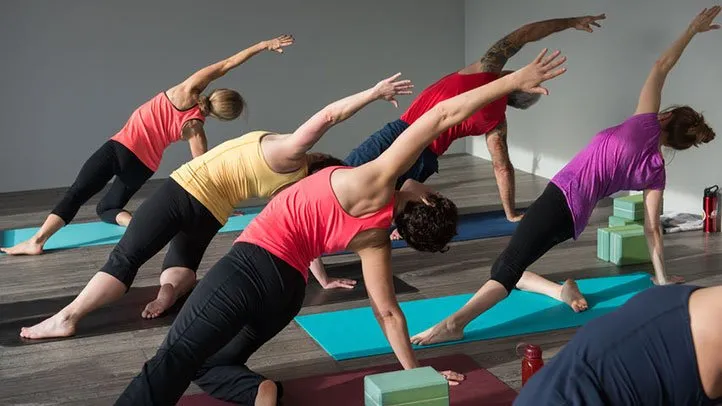
Practitioners at all levels quickly realise that synchronising breath and movement is essential to experiencing the true essence of vinyasa yoga. Each inhalation lifts and expands the body; each exhalation roots and releases it. When breath mastery is achieved, the practice transcends the physical, opening gateways to mental clarity, emotional resilience, and energetic flow.
Understanding Pranayama: Beyond Simple Breathing
The Meaning of Pranayama
In Sanskrit, “prana” means life force, and “ayama” means extension or control. Thus, pranayama refers to the regulation and expansion of vital life energy through the breath. It is not merely about inhaling and exhaling but about manipulating the breath with awareness to influence the body’s energy systems, mental states, and physiological functions.
Breath as the Bridge
Breath forms the critical bridge between the body and the mind. In the chaos of daily life, breathing often becomes shallow and erratic, reinforcing stress and disconnection. In Vinyasa Yoga, deliberate breath control interrupts this pattern, inviting practitioners back into a state of presence, flow, and coherence.
How Breath Guides the Vinyasa Flow
Initiating Movements with Breath
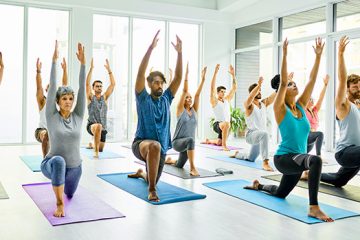
Every transition in Vinyasa Yoga is anchored in breath. Inhales are typically associated with upward, expansive movements—such as rising into a backbend or reaching arms overhead. Exhales correspond to folding, grounding, or twisting movements, encouraging release and inward focus. This pattern reflects natural physiological responses: inhalation stimulates alertness; exhalation promotes relaxation.
For instance:
- Inhale: Step forward into a lunge, lifting the chest.
- Exhale: Fold into downward-facing dog, releasing tension.
By committing to this breath-movement synchrony, practitioners create a rhythmic, almost meditative quality in their practice.
Regulating Energy and Intensity
Breath not only times transitions but also controls the energy level of the practice. A slow, deep ujjayi breath (victorious breath) cultivates steadiness and focus, ideal for longer holds and slow flows. Faster breathing patterns quicken the pace, useful for energising morning sessions. Conscious breath management allows practitioners to adjust their internal thermostat, maintaining balance and preventing burnout.
Types of Pranayama Techniques Used in Vinyasa Yoga
Ujjayi Pranayama (Victorious Breath)
Often called the “ocean breath” for its soothing sound, ujjayi involves slightly constricting the throat to create a whispering noise on each inhale and exhale. This breath builds internal heat, focuses the mind, and enhances endurance, making it the most common pranayama used during Vinyasa flows.
Sama Vritti (Equal Breathing)
This technique involves matching the length of inhalation and exhalation. Sama vritti stabilises the heart rate, calms the nervous system, and brings balance, particularly useful during challenging sequences or when fatigue arises.
Nadi Shodhana (Alternate Nostril Breathing)
Although not typically performed during active flow, alternate nostril breathing can be integrated into warm-ups or cool-downs to harmonise energy channels and sharpen mental focus before or after a session.
The Science Behind Breath-Controlled Movement
Nervous System Regulation
Deep, rhythmic breathing activates the parasympathetic nervous system, shifting the body from stress mode to a relaxed state. This regulation helps practitioners handle physically demanding poses without triggering stress responses that can lead to injury or mental fatigue.
Improved Oxygen Efficiency
Conscious breathing improves oxygen uptake and carbon dioxide expulsion, enhancing cellular metabolism and energy levels. Athletes and researchers alike note that trained breathers perform better physically and recover faster.
Mindfulness and Neuroplasticity
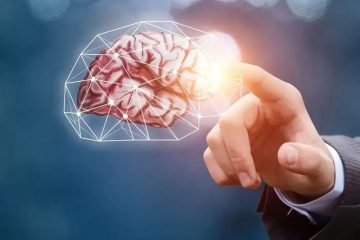
Synchronising breath and movement fosters mindfulness, which is now widely recognised for its role in promoting neuroplasticity—the brain’s ability to form new, beneficial neural connections. Through breath-guided movement, Vinyasa practitioners literally rewire their brains towards resilience, adaptability, and calmness.
Common Breathwork Mistakes in Vinyasa Yoga (And How to Avoid Them)
- Holding the Breath: Many people unconsciously hold their breath during difficult poses. This cuts off energy flow and creates tension. Always prioritise breath, even if it means modifying the pose.
- Breathing Too Shallowly: Chest breathing is less effective than diaphragmatic breathing. Focus on sending the breath deep into the belly, expanding ribs sideways, and lifting the back body.
- Forcing the Breath: Overly forceful breathing can create stress rather than relieve it. Aim for breath that is smooth, audible (in ujjayi), but never strained.
Practical Ways to Integrate Breath Mastery into Your Vinyasa Practice
- Begin with Breath Awareness: Start each session by sitting quietly and observing your natural breath for a few minutes. Gradually deepen it, setting the tone for mindful practice.
- Link Every Transition: Make it a rule—no movement without a breath cue. Even the simplest shift, like moving from plank to downward dog, deserves a conscious inhale or exhale.
- Practice Breath Ratios: During slower flows, experiment with 4:4 breathing (inhale 4 counts, exhale 4 counts) to promote internal steadiness.
- Use Savasana for Breath Observation: In final relaxation, simply notice the breath’s natural rhythm, allowing it to flow without interference. This seals the practice and deepens internal awareness.
Expanding Beyond the Mat
The breathwork skills developed through Vinyasa Yoga do not stay confined to the studio. Conscious breathing becomes a portable tool for managing life’s inevitable stressors. Whether in traffic, before a big meeting, or during emotional upheavals, returning to breath awareness reestablishes calm, focus, and clarity.
Courses offered at places like Yoga Edition provide excellent environments to refine pranayama skills under expert guidance, ensuring that practitioners evolve their breath as skillfully as they evolve their asana.
Conclusion: Breath as the Master Key
True mastery of vinyasa yoga lies not in the ability to perform complex poses but in the art of weaving breath and movement into a seamless, living tapestry. Breath transforms mere postures into a moving meditation, unlocking reservoirs of energy, focus, and peace. It serves as a constant reminder that the greatest source of power and healing lies within us—one conscious breath at a time.