
The Fascia Network, Unlocking Agility and Pain-Free Movement Through Smart Class Choices
A lot of people describe the same frustration in different words. They say they are strong but still feel stiff. They say they stretch but never feel truly loose. They say their workouts are consistent, yet movement still feels restricted, heavy, or disconnected. In many cases, the missing piece is not just muscle strength or flexibility. It is the condition and behaviour of the fascial system, and this is where fitness classes singapore can be surprisingly useful when chosen with intention.
Fascia is the connective tissue network that wraps and links muscles, organs, nerves, and structures across the body. It is not simply packaging. It contributes to force transfer, movement quality, sensory feedback, and how your body experiences tension. If muscles are often treated as isolated parts, fascia reminds us that the body works as an integrated system.
This topic has become popular online, but it is also misunderstood. Fascia is sometimes discussed with exaggerated promises and vague claims. The real value is simpler and more practical. When you move well, vary your movement, and recover properly, fascial tissues tend to support smoother motion, better elasticity, and less of that “rusty” feeling many adults carry into their day.
Why Fascia Matters to How You Feel, Not Just How You Move
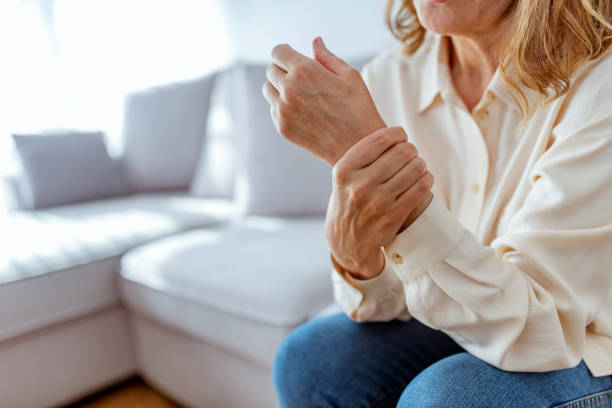
Most people first notice fascia-related issues as a sensation rather than a diagnosis. They feel bound up, tight, or stuck. A warm-up helps a bit, but the stiffness returns quickly. They can generate force, but their movement lacks fluidity.
Part of this comes from how fascia behaves under repeated patterns. Sedentary work, repetitive exercise, poor recovery, and stress can all contribute to a body that feels less springy and less adaptable. The issue is not that fascia has become a villain. It is that the system often responds to the demands we place on it. If those demands are narrow and repetitive, movement quality can narrow too.
Fascia also contains many sensory nerve endings. This means it plays a role in how we perceive stiffness, tension, and body awareness. That is one reason two people with similar strength levels can feel very different in motion. One feels athletic and mobile. The other feels tight and effortful.
Training that improves movement variety, control, and tissue loading can shift that experience over time.
Why Stretching Alone Is Not Always the Full Answer
Many people respond to stiffness by doing more static stretching, usually by holding a few common positions for a short time. Static stretching can be useful in the right context, but it is not the whole picture.
If your body only experiences fixed stretches and repeated gym patterns, you may still miss the dynamic loading and multidirectional movement that supports more adaptable tissue behaviour. In plain terms, the body often needs varied movement, not just longer holds.
This is where class selection matters. Some class formats naturally expose the body to a wider range of movement qualities. They combine control, flow, resistance, rhythm, and recovery in a way that improves how you feel as well as how you perform.
How Pilates Helps the Fascial System Through Control and Length
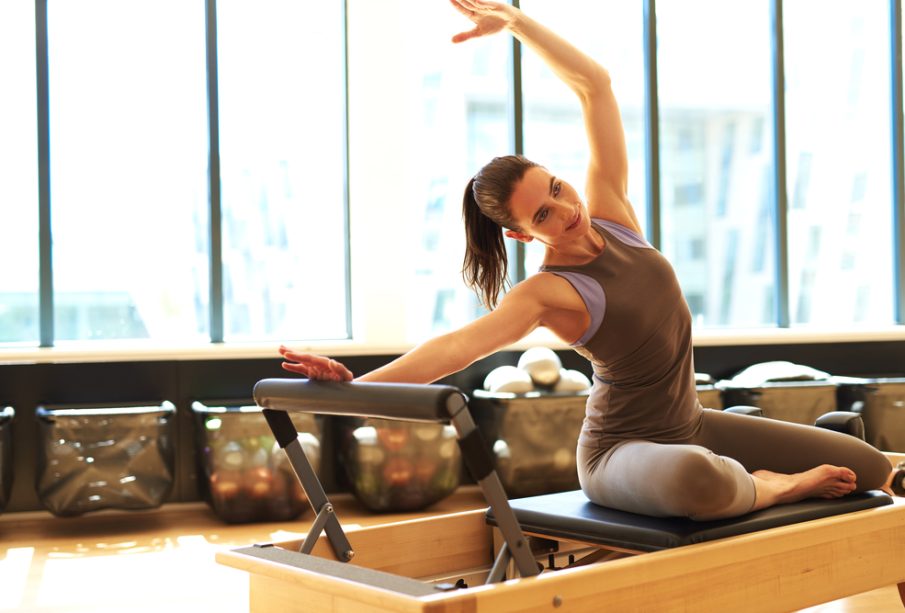
Pilates is one of the most effective class styles for people who feel strong but not agile. That is because Pilates asks for controlled movement through range, not just effort.
The focus on alignment, breath, and smooth transitions encourages the body to organise tension more efficiently. Instead of forcing stretch at the end range, Pilates often builds support through the whole movement. This can help people feel longer and lighter, even when the workout is challenging.
Another benefit is the emphasis on precision. When movement is precise, the body receives clearer sensory feedback. Over time, that can improve body awareness and reduce the sense of moving in disconnected parts.
People who say, “I go to the gym but still feel stiff,” often respond very well to adding Pilates once or twice a week because it teaches control where they usually rely on force.
Dynamic Movement and Why Flow Often Feels Better Than Forcing Range
There is a reason many people feel better after classes that include controlled flow, rotational movement, and gradual transitions. Fascia responds to load and movement patterns, not just passive positions.
Dynamic warm-ups, mobility-based formats, dance-inspired movement, and well-coached conditioning classes often include:
-
Rotation
-
Lateral movement
-
Controlled momentum
-
Direction changes
-
Repeated movement through comfortable ranges
These patterns can help the body feel more prepared and responsive. The goal is not to bounce aggressively or chase extremes. The goal is to restore movement variety and elastic quality.
For many adults, this is the missing bridge between strength and freedom of movement. They have enough force, but not enough fluidity.
Foam Rolling and “Release” Work, What It Can and Cannot Do
Foam rolling is often marketed as a way to “break” tissue or permanently change structure. That language is usually too dramatic. In reality, foam rolling is better understood as a tool for influencing sensation, pressure tolerance, and short-term tissue comfort.
That does not make it useless. It can be very useful.
When done thoughtfully, rolling or self-massage can reduce the feeling of stiffness, increase body awareness, and help you move more comfortably in the session that follows. It may also help people downshift after hard training.
The biggest mistake is treating foam rolling as a substitute for movement quality. It works best when paired with good training, not instead of it.
Some gyms and coaches frame this work more helpfully as recovery preparation. That language tends to produce better expectations and better results.
The Strength-Fascia Connection Most People Miss
People often separate mobility work and strength work as if they belong to different worlds. In practice, the body benefits when they support each other.
Strength training done with control can be excellent for the fascial system because it loads tissues through functional ranges and teaches force transfer across the body. Split squats, deadlift variations, carries, rows, presses, and rotational patterns all challenge connective tissues alongside muscles.
The problem is not strength training itself. The problem is rushing through it with poor alignment and repetitive patterns. That approach may build output, but it does not always improve movement quality.
When people combine strength with classes that restore control and movement options, they often feel dramatically better. They are not just stronger. They move with less effort.
For members who want this combination, having access to a wider class mix matters. A facility such as True Fitness Singapore can support that by allowing people to pair harder conditioning or strength sessions with Pilates, mobility, or recovery-focused formats across the week.
Why This Matters in Daily Singapore Life
Many adults in Singapore are not lacking activity entirely. They are lacking movement variety and recovery quality. Hours of sitting, commuting, and screen time create a body that gets good at narrow ranges and fixed postures. Then we expect it to feel free and springy during workouts.
That mismatch is why people often report:
-
Morning stiffness
-
Tight hips after desk work
-
A heavy feeling in the legs despite training
-
Shoulder tension from stress and posture
-
Reduced agility in sports or classes
Improving the fascial side of movement does not require abandoning your main goals. It means training in a way that makes the body more adaptable.
And when the body is more adaptable, everything else usually improves. Cardio feels smoother. Strength technique gets cleaner. Recovery becomes more predictable.
What to Do If You Feel Stiff but Already Work Out Regularly
If you already train and still feel stiff, the solution is often not “do more.” It is “train differently in part of your week.”
Try replacing one repeated session with a movement quality session. Add Pilates. Take a mobility-focused class. Choose a class with controlled flow rather than all-out intensity. Slow your strength reps and pay attention to how the body is organising tension.
Also, be patient. Feeling more agile is often a gradual shift. The body responds to repeated signals, and fascia-related changes in comfort and movement quality build through consistency rather than one big session.
What you are looking for is not a quick loosen-up effect for one evening. You are building a body that feels easier to live in.
FAQ
Q: I feel stiff but I am already strong. What class should I add first?
A: Pilates is often an excellent starting point because it improves control, alignment, and movement quality without requiring extreme flexibility. Mobility-focused or low-impact flow classes can also help, especially if your stiffness is linked to desk work and repetitive training patterns.
Q: Is fascia the same thing as muscle?
A: No. Fascia is connective tissue that wraps and links muscles and other structures throughout the body. It works with muscles during movement, but it is a different type of tissue with different functions, including force transfer and sensory feedback.
Q: Can fascia work help reduce the appearance of cellulite?
A: Some people report changes in how their skin and tissues feel or look when they improve circulation, movement quality, strength, and recovery habits. However, cellulite is influenced by multiple factors including genetics and body composition. It is better to frame fascial-focused training around mobility, comfort, and movement quality rather than cosmetic promises.
Q: Is static stretching bad for fascia?
A: Not at all. Static stretching can be useful, especially after training or for specific mobility goals. It just may not be enough on its own if your overall movement routine lacks variety, strength through range, and dynamic control.
Q: How often should I do mobility or fascial-focused sessions?
A: One to three sessions per week can make a meaningful difference, depending on your current training load and how stiff you feel. Even adding one consistent session weekly often improves how the body feels during other workouts.
Q: Why do I feel looser after class but stiff again the next day?
A: That is common. A single session can improve circulation, reduce tension, and change how your body perceives stiffness temporarily. Lasting change usually comes from consistency, recovery, and a better overall mix of strength, movement variety, and rest.