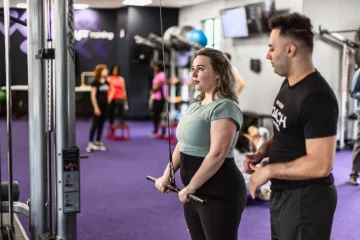

The Future of Fitness: Bioadaptive Training and the Rise of Intelligent Body Optimization

The world of fitness has evolved far beyond counting repetitions and tracking calories. In 2025, we’ve entered the era of bioadaptive training — a fusion of data analytics, neuroscience, and human performance science designed to reshape how we train, recover, and thrive. The goal is no longer just to look fit, but to optimize every biological and neurological system for peak vitality. This article explores how technology and physiology are converging to redefine what fitness truly means in the modern age.
Understanding Bioadaptive Fitness
What is Bioadaptive Training?
Bioadaptive training refers to fitness methodologies that adapt to your body’s biological feedback in real time. Rather than following a fixed workout plan, the program evolves based on biometric data such as heart rate variability (HRV), muscle oxygen saturation, and recovery markers.
This approach recognizes that every individual’s physiology fluctuates daily due to stress, sleep, nutrition, and hormonal cycles. Bioadaptive fitness systems—powered by AI algorithms and wearable devices—read these fluctuations and modify your workouts dynamically.
-
Smart Data Integration: Modern fitness ecosystems analyze movement quality, oxygen efficiency, and metabolic stress before prescribing the next intensity level.
-
Dynamic Adaptation: The workout intensity adjusts if the system detects signs of fatigue or under-recovery.
-
Holistic Feedback Loop: Recovery, nutrition, and sleep data feed into the algorithm to ensure a fully balanced approach.
Essentially, bioadaptive training represents personalized evolution in motion, ensuring consistent progress without overtraining or stagnation.
The Role of AI and Predictive Fitness Analytics
Artificial intelligence now plays a transformative role in personalized fitness. Predictive algorithms interpret thousands of micro-data points—from your gait symmetry to breathing rhythm—to forecast performance trends and prevent injuries before they happen.
-
Predictive Load Management: AI systems identify when your muscles and joints are nearing fatigue thresholds.
-
Movement Pattern Recognition: Sensors detect form irregularities, offering instant corrective feedback.
-
Behavioral Adaptation: Over time, AI learns your motivation patterns and tailors sessions for optimal engagement.
This level of precision makes fitness more efficient, intelligent, and sustainable—reshaping it into a data-driven partnership between human intuition and machine intelligence.
Neurological Fitness: Training the Mind-Body Interface
The Neuroplasticity of Fitness
Neuroscience has proven that physical activity doesn’t just strengthen muscles—it reprograms the brain. Every movement sends feedback loops that enhance neural connectivity, motor learning, and emotional regulation.
The new frontier of fitness focuses on neurological optimization, where movement patterns are designed to stimulate specific brain functions.
-
Neurobalance Training: Exercises that challenge coordination and balance stimulate cerebellar growth and proprioceptive acuity.
-
Cognitive Conditioning: Combining physical exertion with problem-solving drills improves reaction time and executive function.
-
Stress Modulation: Rhythmic aerobic activity enhances prefrontal cortex regulation, balancing cortisol and dopamine responses.
This approach transforms workouts into a neurochemical symphony, fine-tuning both mental clarity and physical endurance.
Flow State Conditioning
Elite athletes and high performers are now harnessing flow training protocols—methods that combine psychology and physiology to induce deep concentration and effortless performance.
Flow-based fitness integrates breath control, rhythmic tempo, and mindful sequencing to synchronize body and brain.
-
Controlled Breathing: Nasal inhalation and diaphragmatic patterns stabilize heart rate and neural arousal.
-
Music and Rhythm Integration: Structured tempos guide movement timing, promoting natural coordination.
-
Mindful Kinetics: Focused awareness on form and sensation deepens neuromuscular activation.
By mastering flow states, athletes experience heightened endurance, improved focus, and reduced perceived effort, turning exercise into an immersive experience of peak performance.
Cellular Fitness: Redefining Health from the Inside Out
The Mitochondrial Revolution
True fitness begins at the cellular level. The mitochondria—your body’s energy powerhouses—determine how efficiently you produce ATP (adenosine triphosphate), the molecule that fuels every muscular contraction and neural signal.
Modern fitness science now emphasizes mitochondrial biogenesis, the process of creating new, more efficient mitochondria.
-
Zone 2 Training: Low-intensity cardio optimizes fat metabolism and enhances mitochondrial density.
-
HIIT Cycles: High-intensity bursts trigger powerful adaptive stress responses that strengthen cellular resilience.
-
Nutrient Synchronization: Timing macronutrients around workouts supports ATP synthesis and recovery.
By training the mitochondria, you’re not just building endurance—you’re extending your metabolic lifespan and preventing age-related decline.
Hormesis and Adaptive Resilience
Fitness is, at its core, the art of controlled stress. Hormetic training uses brief, calculated doses of physical stress to trigger biological adaptation.
-
Cold and Heat Exposure: Alternating cryotherapy and sauna sessions enhance immune strength and circulation.
-
Time-Restricted Workouts: Aligning exercise with circadian rhythms improves hormonal efficiency.
-
Load Variation: Micro-adjustments in resistance and tempo keep the body guessing, driving continual adaptation.
This approach cultivates a resilient body capable of thriving under stress, rather than merely surviving it.
Recovery Optimization: The Missing Link in Peak Fitness
Intelligent Recovery Systems
In elite fitness, recovery is no longer passive—it’s data-driven and proactive. Technologies like percussive therapy, compression garments, and bioelectrical stimulation now accelerate muscle repair and reduce inflammation.
-
Sleep Architecture Monitoring: Smart devices analyze REM and deep sleep cycles, adjusting recovery recommendations.
-
Infrared and Red Light Therapy: Stimulate collagen repair and mitochondrial activity for faster healing.
-
Neuro-Recovery Practices: Meditation, slow breathing, and floatation therapy enhance parasympathetic activation.
The emphasis is shifting from “training harder” to “recovering smarter,” allowing sustainable performance gains without burnout.
Nutritional Precision in Fitness Recovery
Nutritional science complements fitness by targeting nutrient timing and metabolic efficiency. Recovery nutrition now goes beyond protein shakes—it’s a strategic system of molecular restoration.
-
Amino Acid Sequencing: Tailored blends support muscle synthesis and neurochemical balance.
-
Micronutrient Mapping: Personalized supplementation replenishes minerals depleted during exercise.
-
Hydration Intelligence: Electrolyte sensors measure hydration loss in real time to prevent fatigue.
This integration of nutrition and physiology closes the loop between effort and recovery, enhancing long-term performance outcomes.
Longevity Fitness: Training for Decades, Not Days
Functional Longevity Through Movement Intelligence
The ultimate goal of modern fitness is lifelong functionality—maintaining strength, mobility, and cognition well into later years.
Functional longevity programs blend mobility drills, resistance training, and joint-preserving biomechanics.
-
Fascial Training: Targeting connective tissue elasticity improves posture and reduces injury risk.
-
Micro-Dose Strength Work: Short, frequent strength bursts maintain muscle mass without excessive fatigue.
-
Balance Neurodrills: Coordination exercises improve reaction time and prevent falls in aging adults.
Fitness, when designed for longevity, becomes a preventive medicine that rewires aging trajectories.
Emotional and Social Fitness
Beyond the biological, emotional fitness is emerging as a crucial pillar. Group-based training, outdoor fitness, and community movement experiences boost oxytocin and social bonding hormones.
-
Group Flow Dynamics: Shared exercise experiences increase motivation and accountability.
-
Nature Integration: Outdoor training reduces anxiety and enhances circadian alignment.
-
Emotional Regulation Workouts: Integrating mindfulness into physical activity nurtures psychological resilience.
The most advanced fitness systems today recognize that emotional well-being is inseparable from physical performance.
The Future: Integrative Fitness Ecosystems
Tomorrow’s fitness landscape will integrate all dimensions—neurological, cellular, and emotional—into unified, biointelligent ecosystems.
-
AI-Powered Fitness Platforms: Adapt dynamically based on biometric and behavioral data.
-
Genetic Fitness Profiling: DNA-based insights guide optimal training intensity and nutrition plans.
-
Virtual Kinetic Labs: Immersive, AR-driven environments for real-time form correction and engagement.
The future of fitness is intelligent, personalized, and deeply human—a seamless blend of data science and self-awareness designed to elevate every aspect of human potential.
FAQ Section
1. What makes bioadaptive fitness different from traditional workouts?
Bioadaptive fitness adjusts in real time based on biometric data, optimizing intensity and recovery for maximum results without overtraining.
2. How does AI improve personal fitness?
AI analyzes your physiological data to predict fatigue, prevent injuries, and personalize workout structures dynamically.
3. Can neurological fitness improve focus and memory?
Yes, neuro-focused workouts enhance brain plasticity, boosting memory retention, reaction time, and emotional stability.
4. Why is mitochondrial health important in fitness?
Healthy mitochondria increase energy output, endurance, and overall vitality while slowing down the aging process.
5. What role does recovery play in long-term performance?
Active recovery ensures hormonal balance, muscle repair, and immune stability—critical for sustainable fitness progress.
6. How does mindfulness enhance physical training?
Mindful awareness improves movement precision, reduces stress hormones, and strengthens the mind-body connection.
7. What is the ultimate goal of intelligent fitness systems?
To create a self-optimizing loop where training, recovery, and cognition evolve together, producing lifelong health, resilience, and performance mastery.
Conclusion:
Fitness is no longer defined by appearance or effort—it’s an ecosystem of biological intelligence and conscious evolution. The future belongs to those who move not harder, but smarter, transforming every workout into an act of self-optimization and longevity.