
Conquer Dental Anxiety: The Science of Stress-Free Sleep Dentistry
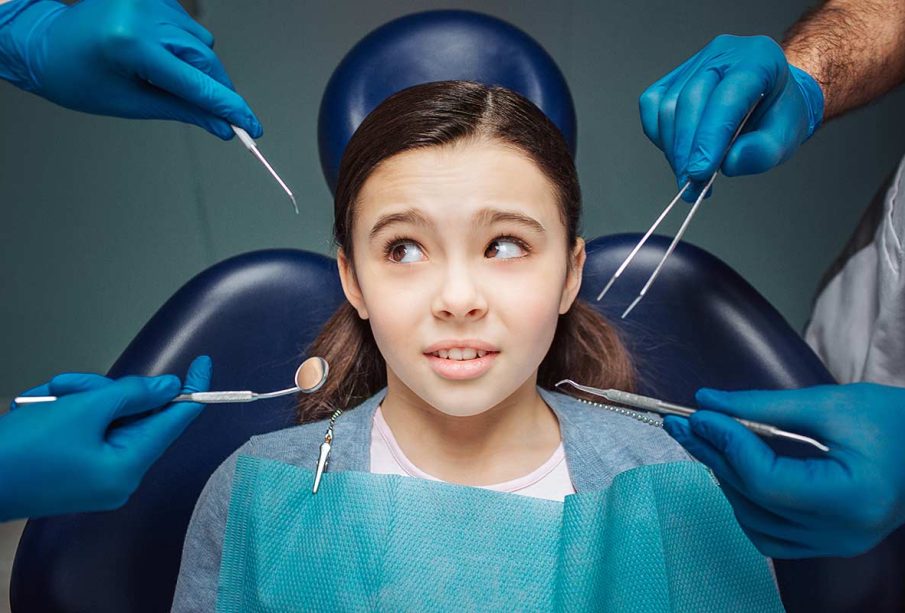
Dental anxiety is a common issue affecting millions of people worldwide. The fear of pain, needles, or uncomfortable procedures often leads patients to delay essential dental care, resulting in worsened oral health. Sleep dentistry has emerged as a breakthrough approach for managing these anxieties, providing patients with a calm and stress-free dental experience.
Understanding Dental Anxiety
Dental anxiety goes beyond simple nervousness. Studies show that patients with high anxiety levels may experience increased heart rate, sweating, and even nausea when visiting a dental office. Over time, this avoidance can lead to severe dental problems, including cavities, gum disease, and even tooth loss. Recognizing the signs of dental anxiety is the first step toward addressing it.
How Sleep Dentistry Works
Sleep dentistry, also known as sedation dentistry, uses medication to relax patients during dental procedures. Depending on the level of sedation required, options may include mild oral sedatives, nitrous oxide (laughing gas), or intravenous (IV) sedation. These techniques help patients remain calm and pain-free, while still being conscious or lightly asleep, allowing dentists to perform treatments efficiently and safely.
The science behind sleep dentistry focuses on reducing the brain’s stress response. By calming the nervous system, patients experience significantly less anxiety and discomfort. This approach is particularly beneficial for those who have had traumatic dental experiences in the past or struggle with intense phobias.
Why Sleep Dentistry Is Recommended for Sensitive Dental Patients
Sensitive dental patients, including those with low pain thresholds or heightened gag reflexes, often benefit the most from sleep dentistry. Using sedation, dentists can perform complex procedures without triggering stress responses, ensuring a smoother, more comfortable experience. This makes sleep dentistry an ideal solution for patients who have historically avoided dental care due to fear or sensitivity.
Why sleep dentistry is recommended for sensitive dental patients is because it allows treatments to be completed efficiently, with minimal discomfort and anxiety, ultimately improving overall oral health outcomes.
Managing Anxiety Beyond Sedation
While sedation addresses the immediate fear of dental procedures, long-term strategies help patients build lasting comfort with dental care. Techniques such as cognitive-behavioral therapy (CBT), relaxation exercises, and gradual desensitization can complement sleep dentistry. Combining these approaches ensures that patients not only receive necessary treatment but also develop confidence in maintaining regular dental visits.
Dentists often provide thorough explanations of procedures before treatment, giving patients a sense of control and reducing anticipatory anxiety. Listening to patient concerns, offering breaks during procedures, and using modern, minimally invasive tools further enhance the stress-free experience.
The Role of Oral Health in Overall Wellbeing
Maintaining good oral health extends beyond preventing cavities and gum disease. Research increasingly shows a strong connection between oral health and systemic diseases, including heart disease, diabetes, and certain cancers. Poor oral hygiene and untreated dental issues can trigger inflammation and bacterial infections that affect the entire body.
For anxious or sensitive patients, avoiding dental care can inadvertently increase the risk of systemic health complications. By utilizing sleep dentistry, patients can receive comprehensive care without stress, protecting both oral and overall health.
Who Can Benefit from Sleep Dentistry
Sleep dentistry is suitable for a wide range of patients, including:
- Individuals with severe dental anxiety or phobia
- Patients requiring extensive or multiple dental procedures in a single visit
- Those with sensitive teeth or low pain tolerance
- Patients with strong gag reflexes
- People with medical conditions that make stress-free treatment essential
Because sedation levels can be tailored to each patient, dentists can ensure safety while addressing specific needs. Pre-sedation consultations allow for a review of medical history, medications, and anxiety triggers, creating a personalized plan for a comfortable dental experience.
Advances in Sedation Techniques
Modern sedation dentistry has evolved to become safer and more effective than ever. Nitrous oxide provides rapid relief from anxiety with quick recovery, while oral or IV sedation allows for deeper relaxation when necessary. Continuous monitoring during procedures ensures that patients remain comfortable and safe throughout treatment.
Additionally, combining sedation with minimally invasive dental techniques, such as laser dentistry or digital impressions, further reduces discomfort and procedure time. These innovations make previously intimidating dental treatments accessible to even the most sensitive patients.
Creating a Positive Dental Experience
Ultimately, the goal of sleep dentistry is to transform dental visits from stressful experiences into manageable, even pleasant ones. By addressing both the physical discomfort and emotional fear, sleep dentistry empowers patients to maintain regular care, prevent oral health complications, and contribute to overall wellbeing.
Patients who embrace these stress-free approaches often report greater satisfaction, lower anxiety in future visits, and a renewed commitment to oral health. When combined with education, preventive care, and attention to systemic health, sleep dentistry can have far-reaching benefits for lifelong wellness.