
Oral Wellness Trends That Are Changing Daily Dental Care
The landscape of oral health in Australia is undergoing a significant transformation. No longer confined to the simple “brush and floss” mantra of previous decades, modern dental care has evolved into a sophisticated blend of high-tech diagnostics, holistic wellness, and personalised prevention. As we navigate 2026, the focus has shifted from reactive “drilling and filling” to a proactive model that prioritises the long-term preservation of natural tooth structure. This evolution is driven by a growing understanding of the oral-systemic link—the connection between mouth health and the health of the rest of the body—leading to a more integrated approach to daily maintenance.
The Rise of AI-Driven Diagnostic Precision
Artificial Intelligence is no longer a futuristic concept but a daily reality in Australian clinics. AI-powered imaging tools are now capable of identifying microscopic lesions and early-stage cavities that are often invisible to the naked eye on traditional X-rays. This technology allows for much earlier intervention, meaning that a potential cavity can often be remineralised through topical treatments rather than requiring a traditional filling. By integrating these tools into routine check-ups, practitioners are able to provide a level of diagnostic accuracy that was previously unattainable, ensuring that no issue goes unnoticed.
Personalised Prevention and the Proactive Model
One of the most impactful shifts in contemporary dentistry is the move toward bespoke preventive plans. Every patient’s oral microbiome is unique, and modern care now reflects this through tailored hygiene protocols. Instead of a one-size-fits-all approach, patients are increasingly seeking early detection screenings by a proactive dentist to assess their specific risk factors for gum disease and enamel erosion. These screenings often involve digital risk assessments and saliva testing to monitor bacterial loads, allowing for a highly targeted strategy that prevents dental emergencies before they even begin to develop.
Smart Technology in the Bathroom Cabinet
The digitisation of dental care has extended well beyond the clinic and into the home. Smart toothbrushes equipped with pressure sensors and motion trackers are now common, providing real-time feedback via smartphone apps to ensure users are reaching every surface of their teeth. This data-driven approach helps bridge the gap between biannual professional cleanings and daily home care. Many Australians are now using these apps to track their progress, receiving “scores” for their brushing efficiency, which encourages better long-term habits and reduces the likelihood of plaque-related complications.
Holistic and Biocompatible Materials
There is a surging demand for “biological” dentistry, where the focus is on using materials that are most compatible with the human body. This trend has seen a move away from traditional metal amalgams in favour of ceramic, zirconia, and high-grade composite resins. These materials are not only more aesthetically pleasing but also behave more like natural tooth structure under the pressure of biting. This holistic mindset also considers the impact of oral inflammation on chronic conditions such as cardiovascular disease and diabetes, prompting many Australians to view their dental hygiene as a core component of their wider wellness routine.
The Shift Toward “Pre-juvenation” in Cosmetic Care
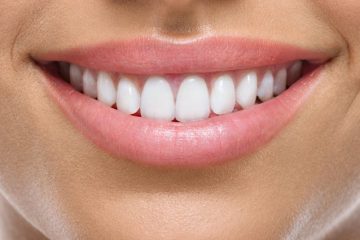
Cosmetic dentistry is also pivoting. While “Hollywood smiles” were once the primary goal, the current trend is “pre-juvenation”—using subtle cosmetic enhancements to preserve the youthful appearance of the mouth while strengthening the teeth. This includes ultra-minimal veneer preparations and laser gum contouring that require less invasive techniques and offer faster recovery times. These advancements reflect the broader Australian oral care trends that prioritise the “natural look” over obvious dental work, blending aesthetic desires with the rigorous standards of modern health science.
Sustaining Oral Longevity through Nutrition
Finally, the conversation around diet has expanded. While avoiding sugar remains a cornerstone of dental health, the focus in 2026 has shifted to “tooth-friendly” nutrition. Australians are increasingly incorporating foods rich in calcium, phosphorus, and vitamin K2 to support the natural remineralisation of enamel. The rise of pH-balanced oral care products, such as alkaline mouthwashes, is also helping to neutralise the acidic environments caused by modern diets, further protecting the teeth from the erosive forces that lead to sensitivity and decay. This comprehensive, tech-supported, and health-conscious approach is ensuring that more Australians maintain their natural smiles well into their senior years.